 MSU Irrigation Lab
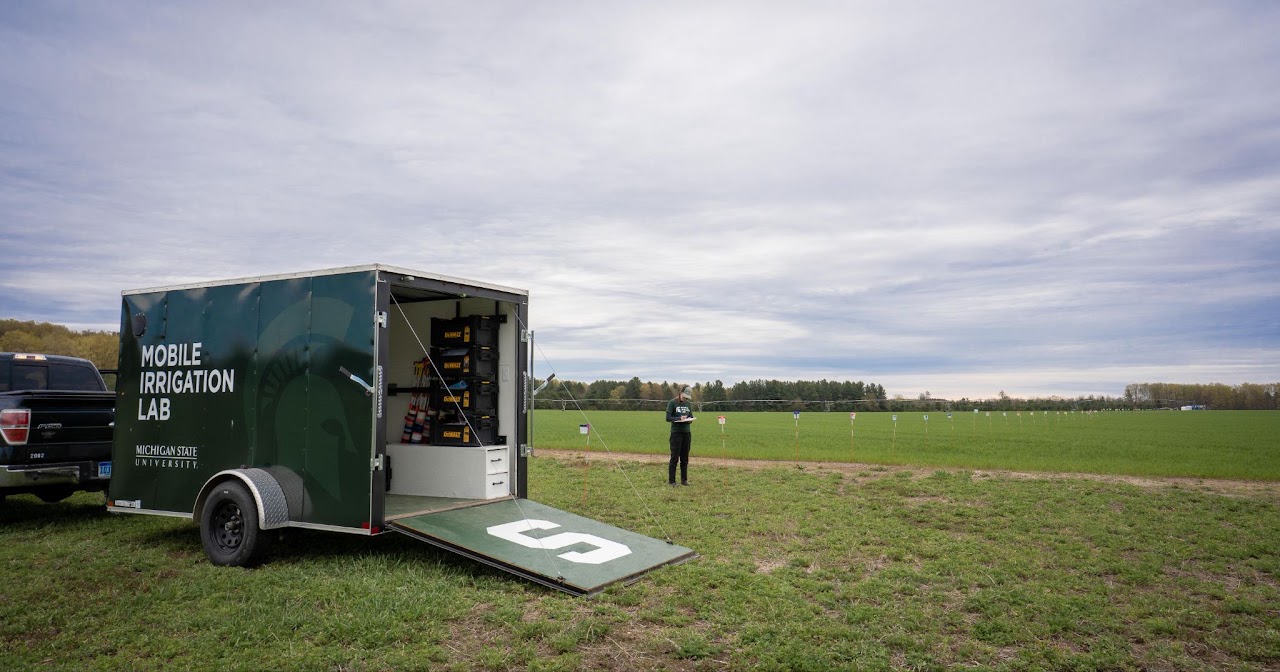
The Mobile Irrigation Lab (MIL) brings diagnostic equipment to farms across Michigan. The team evaluates center pivot systems under real operating conditions—application uniformity, system pressure, flow rate, and sprinkler and end-gun function—so growers can identify retrofit opportunities, reduce water and energy waste, and improve crop performance.
Evaluations are offered at no cost. Growers receive a clear snapshot of system performance, practical recommendations for repairs or upgrades, and guidance that can connect to cost-share support for sprinkler packages and related improvements. Follow-up testing measures how upgrades change efficiency in the field.
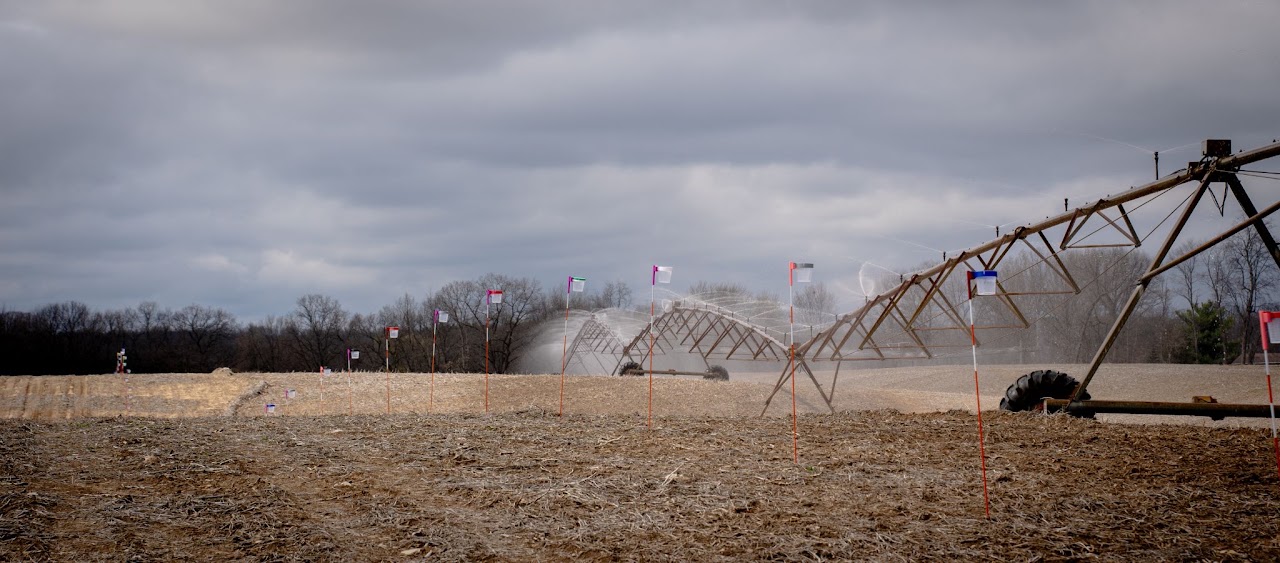
How an evaluation works
The MIL team typically sets up a catch-can test along the pivot length, then measures pressure and flow with instruments such as clamp-on ultrasonic flow meters. Results highlight common issues like worn nozzles, faulty pressure regulators, leaks, and improper system pressure—problems that create over- and under-watered zones and can increase nutrient leaching.
To date, the program has completed more than 20 on-farm assessments across nine Michigan counties, spanning cropping systems such as field crops, potatoes, Christmas trees, and specialty vegetables. Uniformity on tested pivots has ranged widely; in one reported case, replacing a sprinkler package improved uniformity by about 12%, with estimated annual savings on the order of millions of gallons of water and hundreds of dollars in energy costs depending on field size and seasonal water use.
Partners and outreach
The Mobile Irrigation Lab grew from Project GREEEN–supported work and now operates with additional support that expands on-farm service statewide. Partners include MSU Extension educators and collaborators in agricultural economics, alongside grower networks that help connect farms to the program.
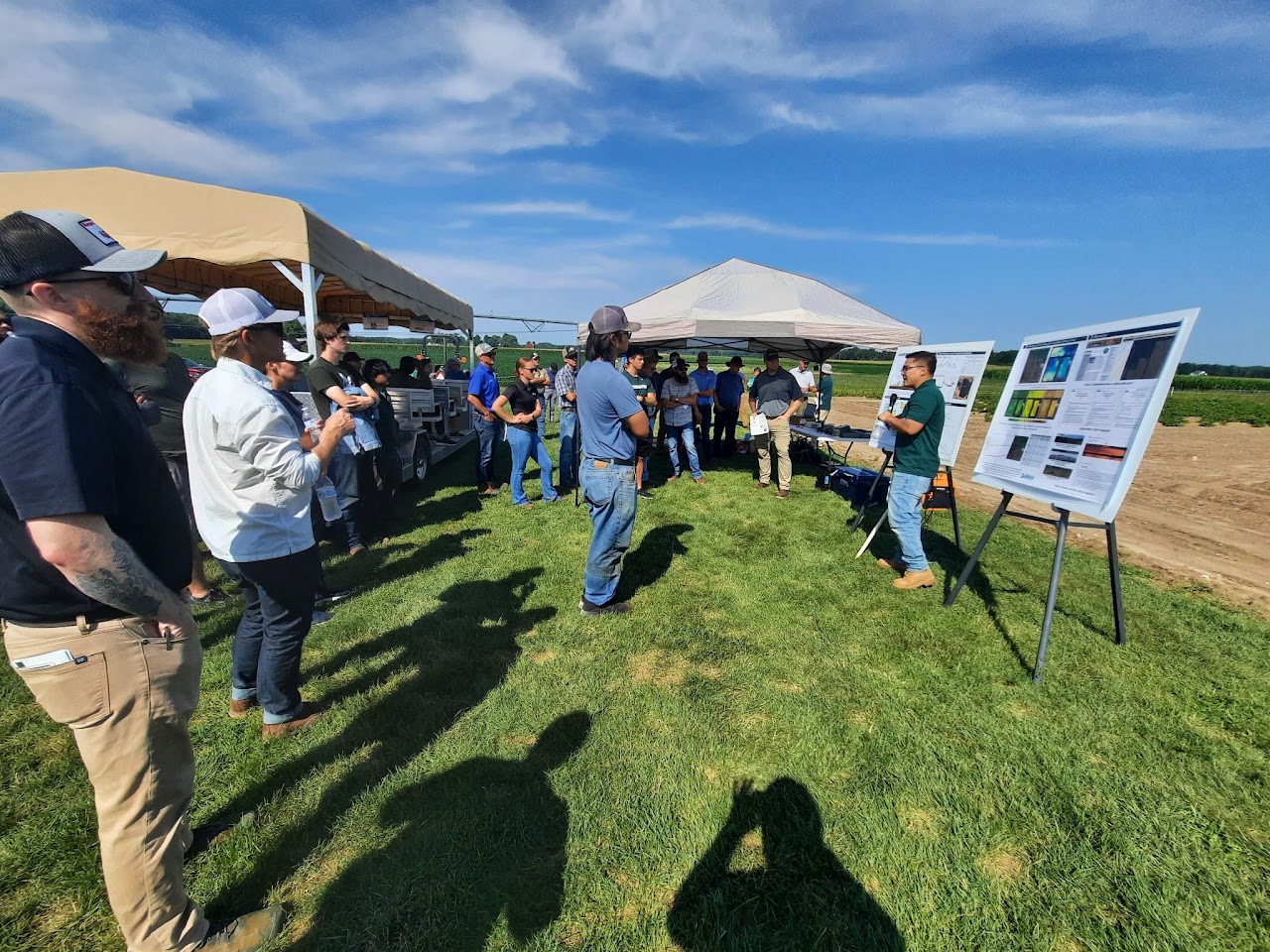
Findings from MIL visits feed extension recommendations, field days, and hands-on training for producers and irrigation managers. Interested growers can request a site evaluation through MSU Extension or contact Riley Johnson at 517-432-8751 or rouseril@msu.edu.