 MSU Irrigation Lab
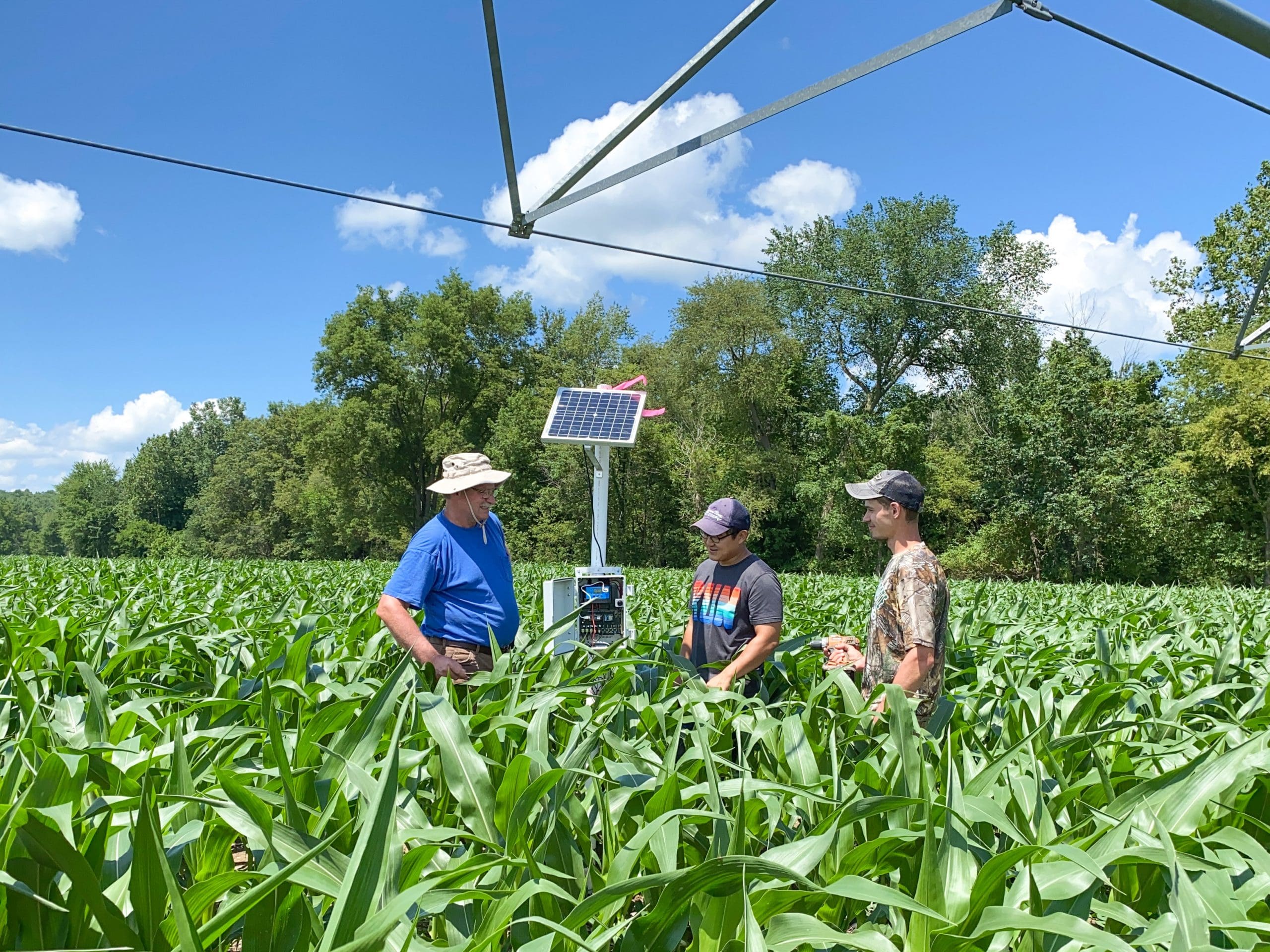
This project develops and deploys Internet of Things (IoT) sensor networks for agricultural water management. Systems monitor soil moisture, leaf wetness, canopy temperature, and related field conditions so growers can schedule irrigation more precisely, reduce energy costs, and manage disease risk tied to excess moisture.
A core platform is LOCOMOS (Low-Cost Monitoring System), which pairs affordable in-field hardware with software that delivers recommendations through a smartphone app. The goal is practical sensing that farms can adopt without the cost barrier of many commercial monitoring packages.
Research themes
Work spans sensor calibration and placement, wireless telemetry (including LoRa and cellular options), canopy and trunk sensing, and tools that extension educators can demonstrate with producers. Related efforts include:
- Soil moisture sensor performance under saline and fertigation conditions
- Spatial variability analysis to guide where sensors should be placed in orchards
- AIoT irrigation scheduling that combines LoRa communication, analytics, and canopy sensing
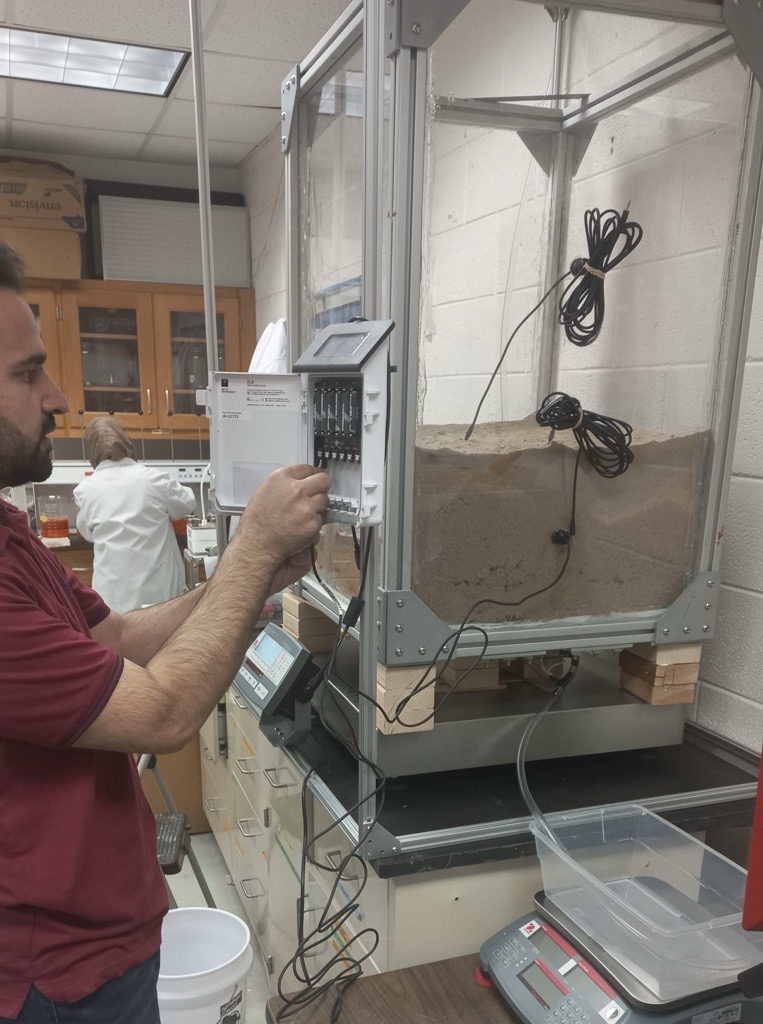
- Laboratory and field weighing lysimeters to improve estimates of deep percolation and agricultural return flow
- Mapping and monitoring approaches that link soil and crop data to irrigation decisions
Impact in the field
In corn and soybean systems, LOCOMOS-supported scheduling has improved irrigation water use efficiency while maintaining disease management goals. Reported comparisons against growers’ usual schedules show meaningful gains in yield and reduced pumping energy on a 100-acre basis. Complementary tools such as the MSU Irrigation app extend ET-based recommendations to tens of thousands of irrigated acres statewide.
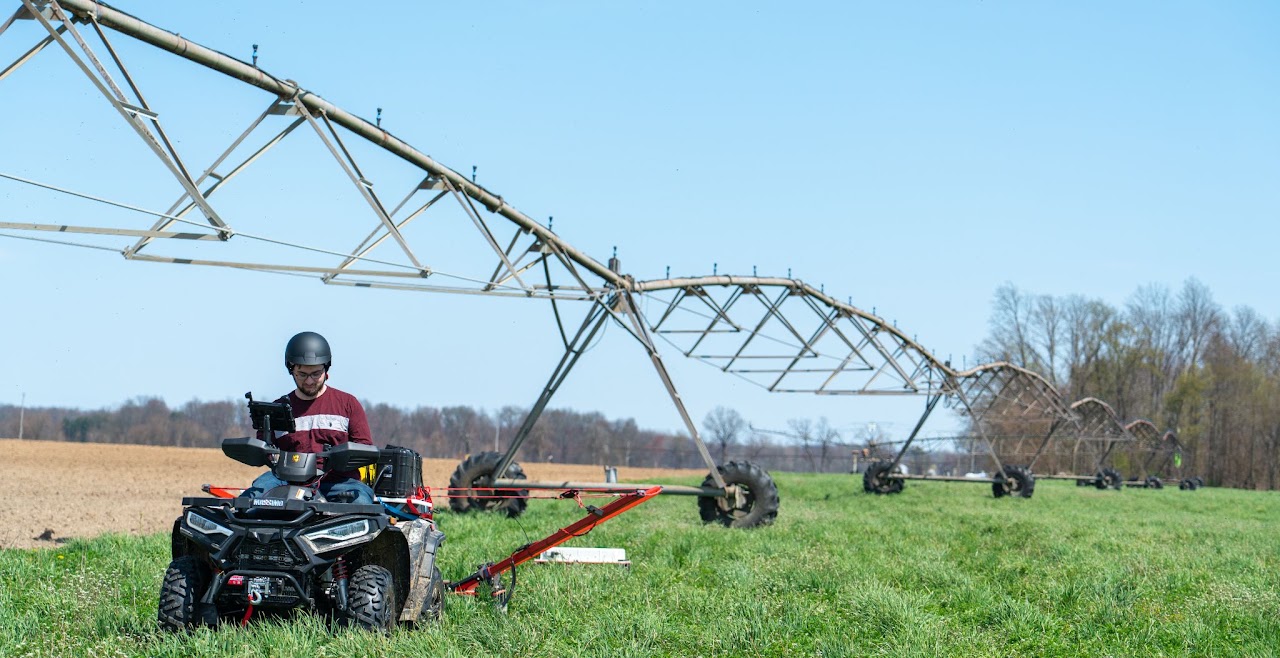
Ongoing deployments continue to refine sensor networks for Michigan soils and cropping systems, with an emphasis on systems that are robust in the field and usable day to day by farm managers.