 MSU Irrigation Lab
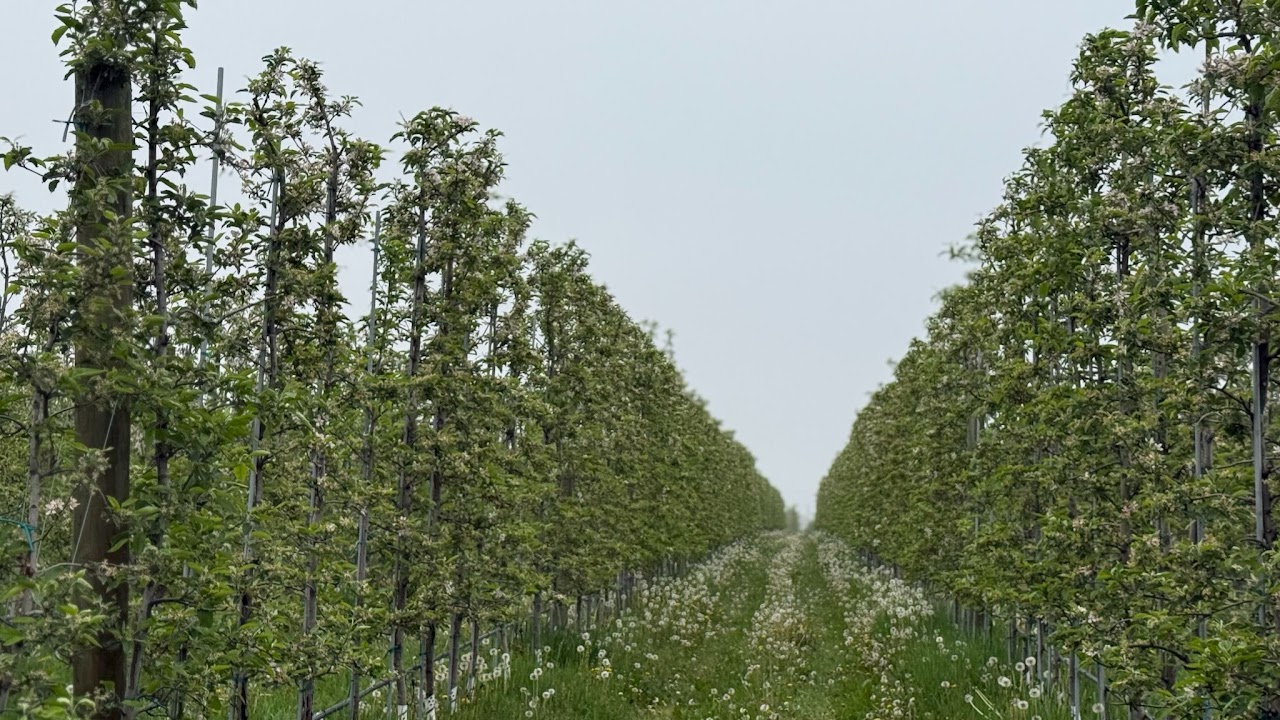
Orchard and specialty crop irrigation research examines how scheduling, fertigation, soil–plant sensing, and modeling affect yield, fruit quality, and water use efficiency. Trials focus on conditions common to Michigan fruit production, including sandy soils and high-value crops where irrigation strongly influences marketable quality.
Apple and tree fruit systems
With support from the Agricultural Resiliency Program and collaborators such as MSU Extension tree fruit educators, the lab evaluates precision approaches that combine soil moisture sensors, evapotranspiration-based tools, and plant-based measurements. Early project years found similar irrigation scheduling performance between soil sensors and ET modeling, while sap flow methods were less successful in the same settings. Fertigation and mulch applications have also shown promise as part of a holistic water, nutrient, and soil management package.
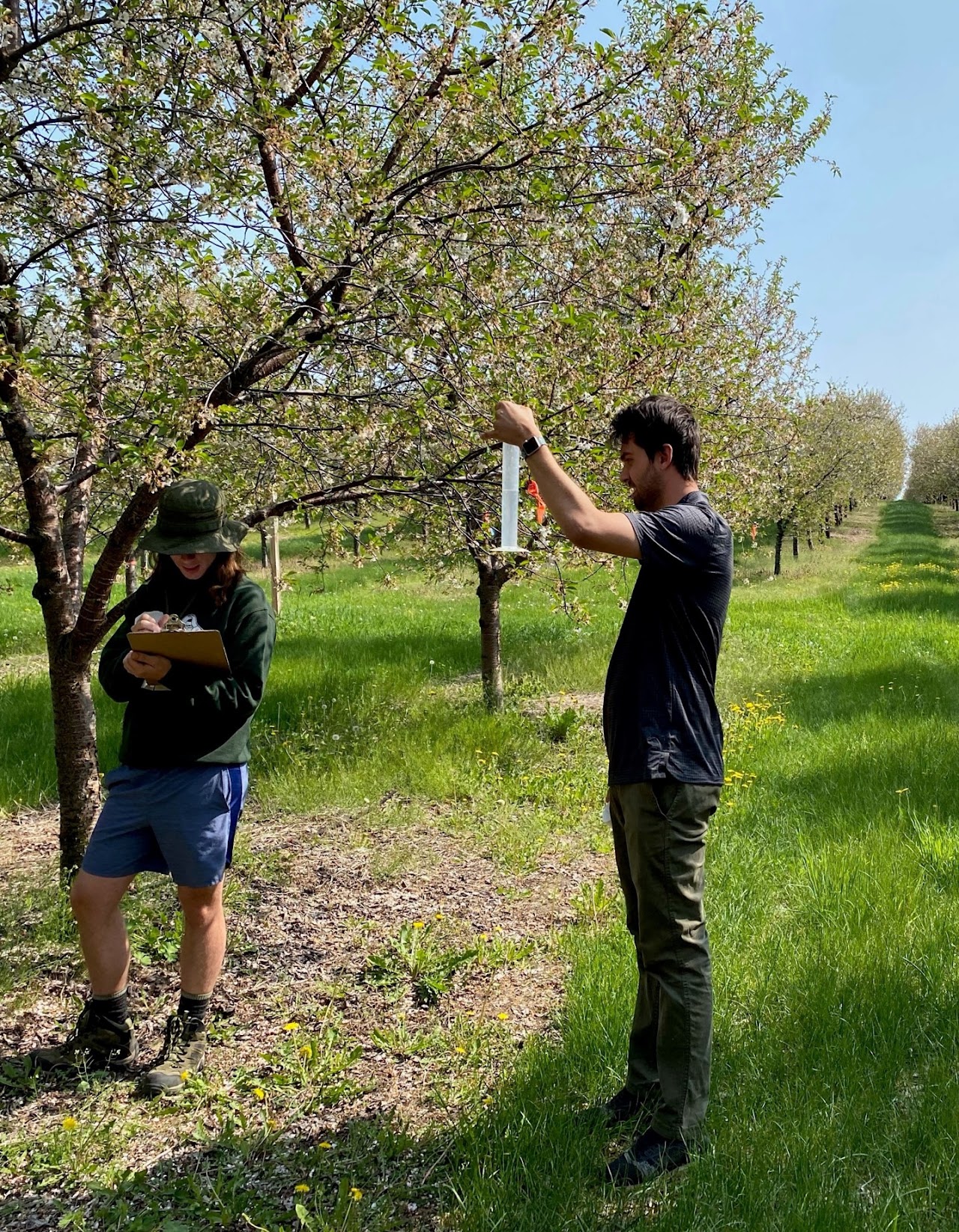
Field work includes sensor placement studies, fertigation monitoring (including electrical resistivity tomography in apple orchards), and real-time water quality sensing. The longer-term goal is practical recommendations that save water and energy while protecting fruit quality.
Blueberry and specialty crops
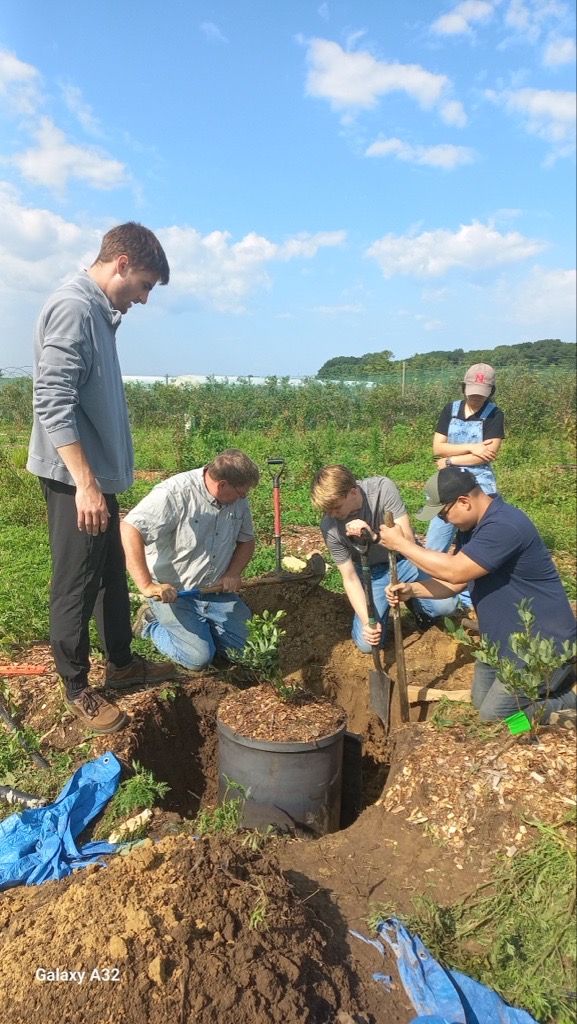
Blueberry research integrates sensor technology with irrigation system design on sandy soils. Teams install IoT monitoring, track plant health, and use tools such as HYDRUS soil water flow modeling to compare common irrigation strategies against yield and fruit quality outcomes. Related specialty crop work extends the same sensing and scheduling ideas beyond tree fruit where grower needs and soil constraints align.
Findings support growers seeking strategies that balance productivity with water and nutrient stewardship—and that translate across Michigan’s specialty crop industries under increasing weather and market pressure.